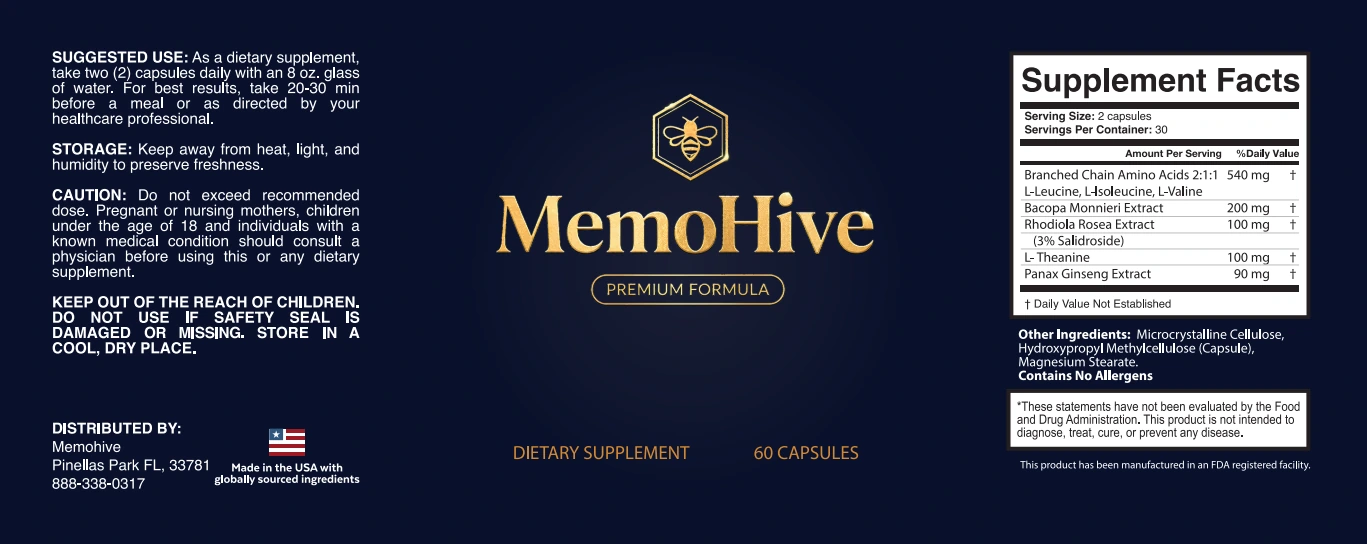
Bacopa At 200 mg, And The Doses The Published Trials Actually Used
The reviews agree on 300 to 450 mg a day for twelve weeks. This panel prints 200 mg. Here is the whole comparison, the null trial included.
MemoHive Official Website › Dose Notes
Ten longer articles: five setting one printed amount beside the amounts published trials actually used, three reading the rest of the panel — the other-ingredients line, the suggested-use timing and the lot code — and two explaining what a complete label can answer before anyone tries to turn it into a result claim.
Bacopa at 200 mg against a trial range of 300 to 450. Branched chain amino acids at 540 mg against a literature of eight studies. L-theanine at an amount a study tested. What a standardisation percentage settles. And the row where no comparison exists at all.
Every figure in these articles comes from a paper that was checked against its own record before it was written down, and every source is linked inside the sentence that uses it rather than only in a list at the foot.
The reviews agree on 300 to 450 mg a day for twelve weeks. This panel prints 200 mg. Here is the whole comparison, the null trial included.
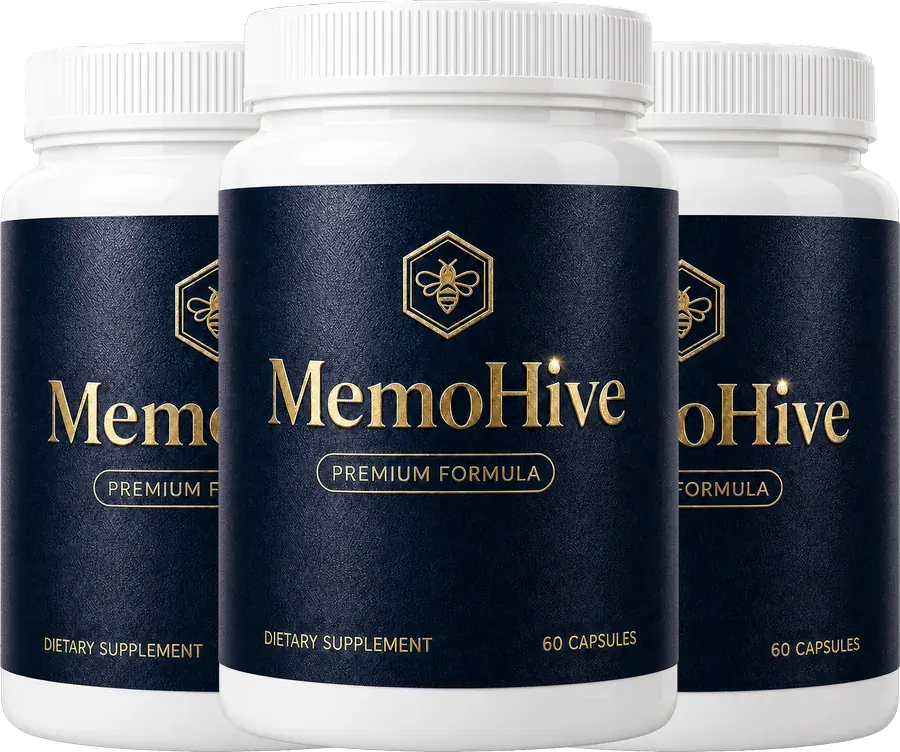
The largest amount on the label has the smallest published record of the five. Eight studies, 353 people, and the muscle research runs in grams.
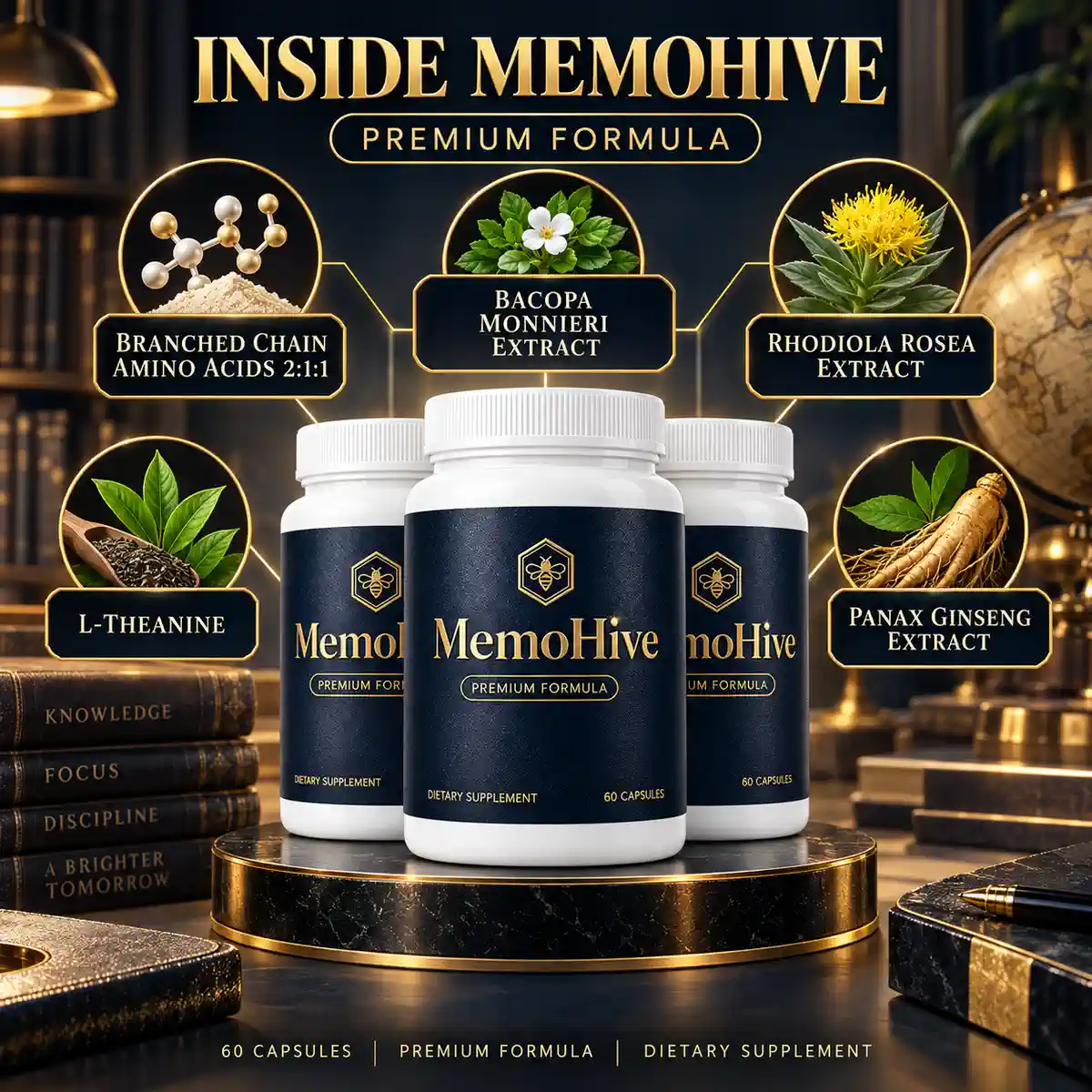
One row on this panel prints an amount a study actually tested. Here is the study, and here is exactly how big the finding was.
A percentage settles potency and not species, and knowing which of the two a label has answered is worth a minute of anyone’s time.
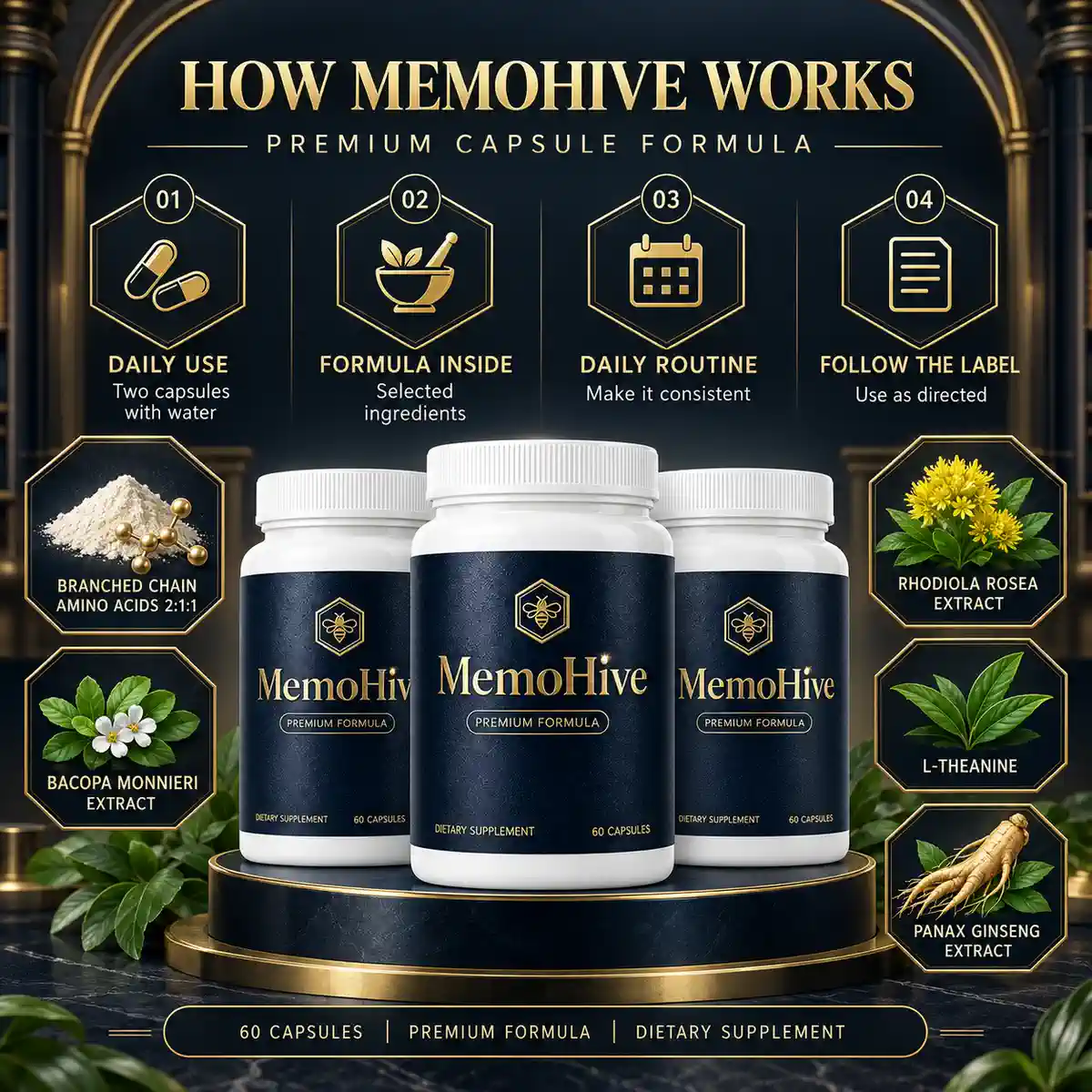
For four rows a trial dose exists to compare with. For this one it does not, and why not is the interesting part.
The printed total is an honest arithmetic check. It is not a study of this formula or a promise about what a serving will do.
A complete label makes better questions possible. It does not make five separate ingredient records into evidence for this formula.
Microcrystalline cellulose, the HPMC capsule shell and magnesium stearate: what each of the three non-active names is printed for, and what none of them claims.
Two capsules, 8 oz of water, a window before food and a clause for a healthcare professional. Four instructions in one sentence, read one at a time.
Two codes in every footer on this website. What a lot number identifies, what a certificate reference points to, and why neither is a lab result on its own.
Each article keeps two numbers apart. One is what a published study administered, to its own participants, for its own length of time. The other is what this label prints per two-capsule serving. They appear in separate columns of the same table on purpose, because a trial’s amount is not a property of this bottle and a trial’s result is not a promise about it.
No article here describes the five ingredients as working together. No trial of this combination has been published, so there is nothing to describe. Each row is written from its own evidence, and the places where that evidence is thin are printed at the same size as the places where it is not.
For what the panel carries row by row, see the ingredients page and the transcribed label. For the two reference guides behind them, see the guides index.
Five ingredients, five printed amounts, 1,030 mg a serving, 60 capsules and 30 servings to a bottle. Sixty days to change your mind.
$49 to $79 a bottle · 60 days to change your mind
Order MemoHive On The Official Website60-day money-back guarantee · lot MEM-26/GO-4380 · prices read on 19 September 2026
+1 (302) 200-3480 or [email protected]. Have the order ID ready. Orders themselves are placed through the checkout on this website, never by phone or email.
[email protected], Mon–Fri 9:00am–5:00pm ET. This address cannot see orders, so a refund request sent here only loses days.
Call order support first, then post the bottles with your full name, email address and order ID inside. Return postage is the buyer’s.